How Can Optimized Staffing Improve ECMO Patient Care?
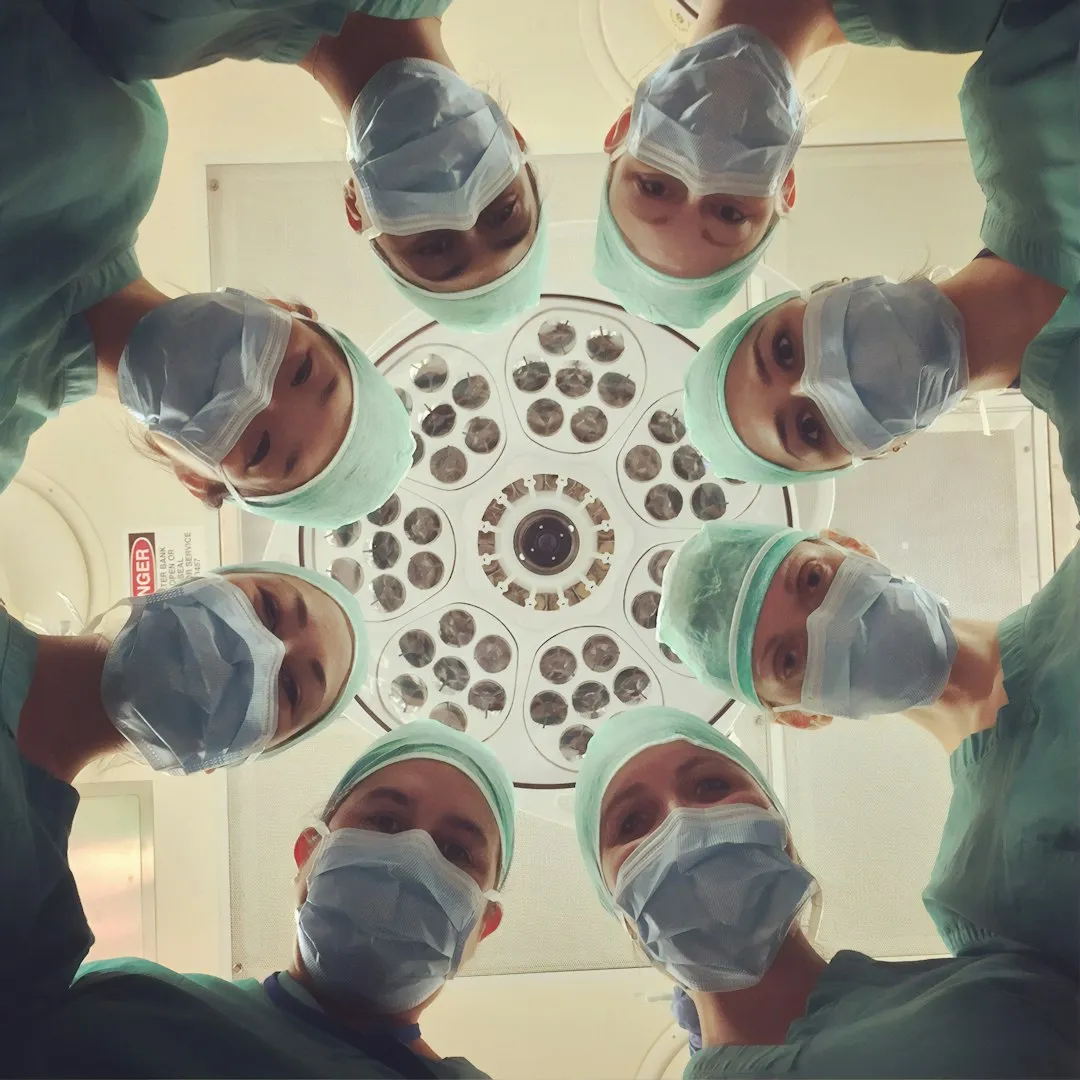
Photo by National Cancer Institute on Unsplash
1. Expanding Emergency Response Staff
Effective ECMO patient care requires a strong staffing model that can quickly respond to emergencies. ECMO’s complexity demands a well-trained, diverse team ready to handle various critical situations. It’s crucial to have enough qualified staff available at all times. This can be done through cross-training and maintaining a flexible group of experts, including nurses, respiratory therapists, perfusionists, mid-level providers, and doctors.
2. Human Factors in ECMO Specialist Performance
To improve ECMO specialist performance, consider these human factors:
-
Physical Layout of the Unit: The unit’s design and organization are key. Efficient patient grouping and easy-to-reach supply storage can improve workflows and reduce unnecessary movement, enhancing performance.
-
Mental Workload: The mental effort required by ECMO specialists varies based on their experience and case difficulty. New specialists may find complex cases more challenging than experts do. Managing this workload involves proper task sharing and balancing responsibilities.
-
Work Environment: Positive factors like good teamwork and open communication can significantly boost performance. Negative aspects such as poor communication or badly designed workflows can hurt performance..
3. Performance Challenges
Several factors can negatively impact ECMO specialist performance:
-
Task Unfamiliarity: Doing unfamiliar tasks can increase errors. Research by psychologist James Reason shows error rates are 75% for unfamiliar procedures, compared to just 0.05% for skilled individuals aware of all risks.
-
Time Constraints: Rushing to complete tasks can lead to mistakes, especially for complex jobs that need careful execution.
-
Environmental Stressors: Noise, interruptions, distractions, stress, poor lighting, reliance on memory, tiredness, and fear can all contribute to human error.
4. Reducing Errors
Designing a staffing model that reduces error-promoting factors is critical. This involves:
-
Reducing Environmental Stressors: Ensuring a calm, well-lit, and organized workspace can help reduce errors.
-
Improving Communication: Creating a culture of open and effective communication can prevent misunderstandings and improve teamwork.
5. Education and Quality in Staffing
A standard ECMO training program can improve patient safety by reducing skill differences across professions. Tailoring education to specific patient types and staff roles ensures that team members are well-prepared. Targeted training addresses profession-specific weaknesses and reinforces important skills.
6. Ongoing Training
Ongoing education is crucial in preventing errors, especially in high-risk areas like ECMO. Practice scenarios that reinforce Crisis Resource Management (CRM) skills can improve staff performance during emergencies. These simulations help staff practice communication and teamwork under stress, reducing potential errors.
7. New Technology Integration
Quickly using new medical devices without proper training can risk patient safety. Properly adding new technology to caregivers’ workflows relies on human factors research and real-life scenarios. Providing resources to help with staffing and patient emergencies is crucial, especially in new and existing ECMO programs, due to the complexity of ECMO patients and equipment.
In conclusion, improving the staffing model for ECMO patients involves a complete approach. This includes expanding the available staff, understanding human factors, reducing error-causing elements, and linking staffing with education and quality. By addressing these key points, healthcare providers can significantly improve ECMO patient care and results.
Can you think of any performance enhancements that help your ECMO department? Please share in the comment section.
Share and Subscribe. Join the ECMO 143 Learning Journey
Note: This article reflects my learning journey in ECMO and is intended for educational purposes only. It should not be used as a substitute for professional medical advice or guidance. Always consult with qualified healthcare professionals for clinical decisions and patient care.
Other Links:
Follow me on LinkedIn: Jonathan B. Jung, RRT-NPS
Follow me on X (Twitter) “ECMO 143-Stay Uptodate” List on X
Acknowledgments:
I developed three custom GPTs, “AI ECMO Expert,” “ECMO Specialist Handover Practice,” and “Micro Definitions (MD-GPT),” for specialized research. These tools draw primarily from the ELSO Redbook (6th Edition), the ELSO Specialist Training Manual (4th Edition), various research papers, and articles. Additional research was supported by GPT-4o/o1, Claude 3.5 Sonnet/Opus, and Perplexity. Editing was performed with Grammarly. A.I. images and charts were created using Leonardo AI, DALL-E3 AI Image Generator, Microsoft Designer, and Adobe Express. Content for all articles sourced from Extracorporeal Life Support: The ELSO Red Book, 6th Edition, and ECMO Specialist Training Manual, 4th Edition.