Medications used in ECMO: An Incomplete Guide
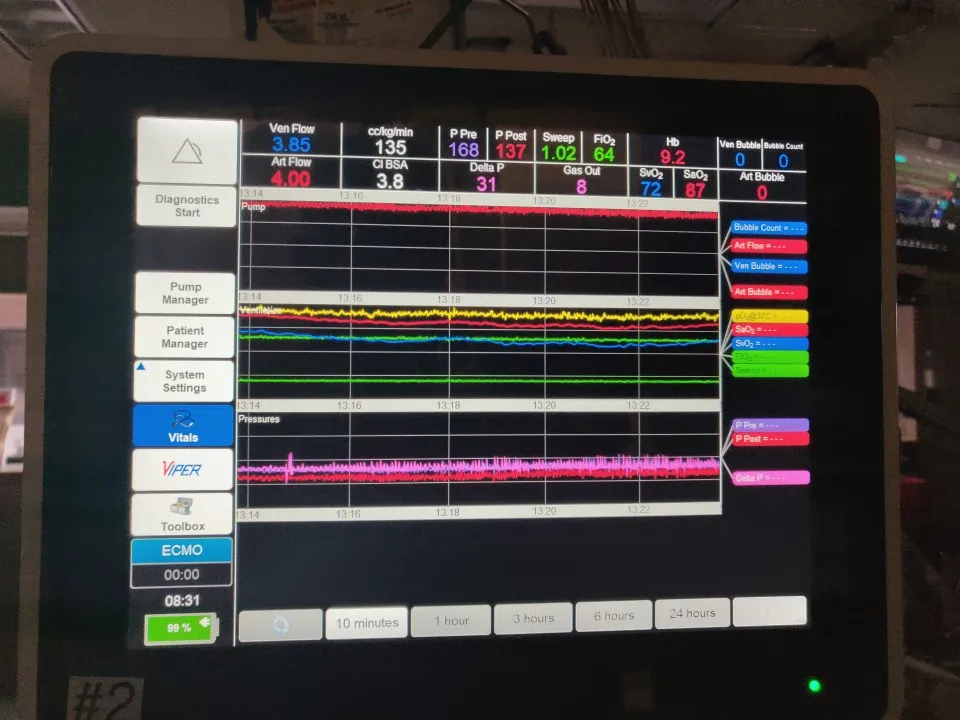
Extracorporeal Membrane Oxygenation (ECMO) is a critical intervention in modern healthcare, providing life-sustaining support to patients with severe heart and lung dysfunction. However, the intricate interplay between ECMO technology and pharmacotherapy presents significant challenges that require meticulous medication management. As a Respiratory Therapist and novice ECMO specialist, I am expanding my knowledge and understanding of the various medications used in ECMO. This includes fluid balance and medication management, which are new and challenging areas for me. I do a lot of listening and asking questions, even when it feels uncomfortable. Fortunately, my workplace is staffed with highly knowledgeable and experienced colleagues helping my learning journey. Writing this article aids my comprehension of these critical processes. Effective medication management in ECMO is essential for optimizing drug therapy, treating or preventing infections, managing fluid and electrolyte balances, and preventing thrombotic or bleeding complications. This comprehensive guide explores the intricate landscape of medication management in ECMO, equipping healthcare professionals with the knowledge and strategies necessary to navigate this complex setting.
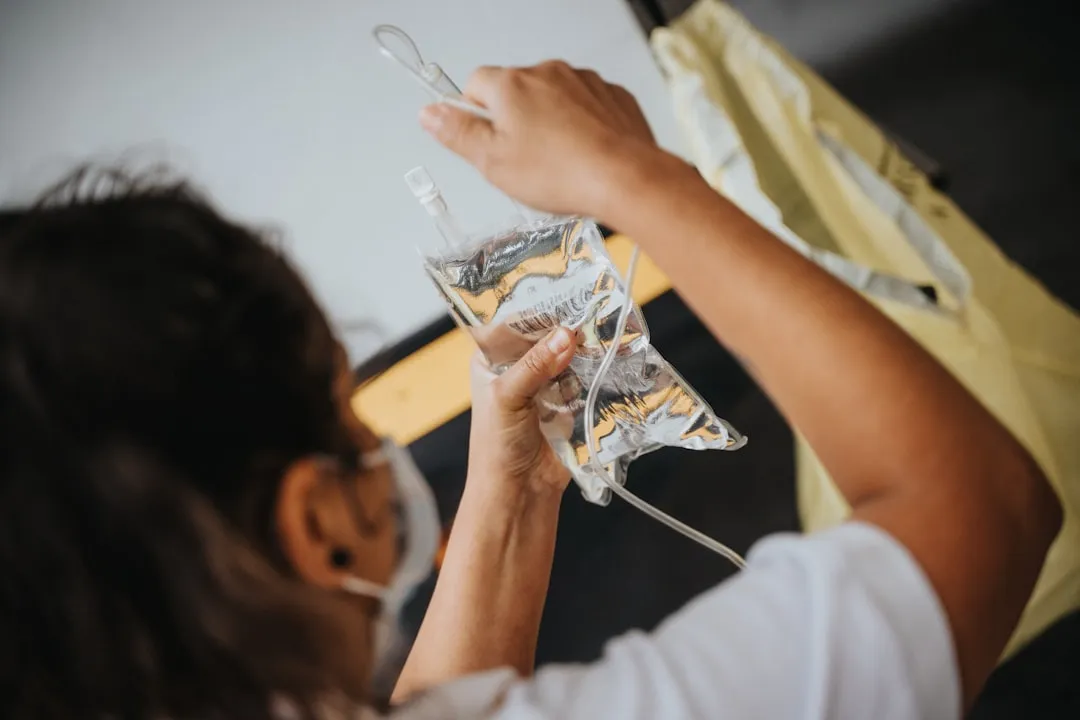
The Multifaceted Roles of Medications in ECMO:
Anticoagulants and Antithrombotics: Anticoagulation is vital in ECMO to prevent clot formation, which can compromise the ECMO circuit and the patient’s safety.
-
Heparin (Unfractionated Heparin, UFH): Enhances antithrombin III activity, inhibiting thrombin and factor Xa. First-line choice due to ease of reversal and immediate anticoagulant effect.
-
Enoxaparin: A low molecular weight heparin that inhibits factor Xa more than IIa, providing more predictable anticoagulation and less risk of heparin-induced thrombocytopenia (HIT).
-
Bivalirudin (Angiomax): A direct thrombin inhibitor used in HIT, it provides steady anticoagulation crucial in high-risk ECMO settings.
-
Warfarin: Inhibits vitamin K-dependent clotting factors often used for long-term anticoagulation post-ECMO.
Vasopressors and Inotropes: Hemodynamic instability is a common challenge in ECMO patients, necessitating the using vasopressors and inotropes to support blood pressure and cardiac output.
-
Norepinephrine (Levophed): This hormone acts on alpha-adrenergic receptors to increase systemic vascular resistance and blood pressure. It is the first-line agent for increasing mean arterial pressure in shock.
-
Dobutamine (Dobutrex): Stimulates beta-1 receptors, increasing cardiac contractility and output. It is helpful for low cardiac output states with preserved blood pressure.
-
Milrinone (Primacor): A phosphodiesterase-3 inhibitor that increases contractility and induces vasodilation, reducing preload and afterload in heart failure.
-
Vasopressin: Enhances vasoconstriction via V1 receptors. It stabilizes blood pressure when other agents are insufficient, especially in septic shock.

Analgesics and Sedatives: Pain management and sedation are essential components of ECMO patient care, particularly those requiring mechanical ventilation.
-
Fentanyl: A potent opioid analgesic used for pain control due to minimal hemodynamic effects.
-
Midazolam (Versed): A benzodiazepine providing anxiolysis, amnesia, and sedation. Useful for short-term sedation.
-
Propofol (Diprivan): Provides sedation without analgesia, allowing rapid titration for neurological assessments.
-
Dexmedetomidine (Precedex): An alpha-2 agonist providing sedation and analgesia with minimal respiratory depression, facilitating extubation.
-
Hydromorphone (Dilaudid) - A potent opioid analgesic used for managing moderate to severe pain. It is known for its powerful analgesic effect and is less likely to cause nausea compared to morphine.
Antibiotics, Antifungals, and Antivirals:
-
Antibiotics
-
Antifungals
-
Antivirals

Immunosuppressants: Immunosuppressant medications are indispensable for ECMO patients who have undergone organ transplants or have autoimmune conditions.
-
Tacrolimus: Binds to FKBP-12, inhibiting calcineurin and preventing T-cell activation, commonly used to avoid transplant rejection.
-
Cyclosporine: Similar mechanism to tacrolimus, also used for autoimmune disorders and transplant rejection prevention.
-
Mycophenolate mofetil: Inhibits inosine monophosphate dehydrogenase, selectively depleting guanosine nucleotides in lymphocytes.
Diuretics:
-
Furosemide (Lasix): A loop diuretic inhibiting sodium reabsorption in the ascending limb of the loop of Henle.
-
Bumetanide (Bumex): Another potent loop diuretic, sometimes preferred for significant fluid overload refractory to furosemide.
Other Essential Medications:
-
Proton Pump Inhibitors (PPIs)
-
Anticonvulsants
-
Steroids
Navigating the Complexities of Medication Management in ECMO:
The effective use of medications in ECMO requires a deep understanding of each drug’s pharmacodynamics, pharmacokinetics, and potential interactions. Altered drug disposition, drug interactions, and patient variability further complicate the management process, necessitating continuous monitoring and timely adjustments.
Therapeutic Drug Monitoring Therapeutic drug monitoring is crucial for medications with narrow therapeutic windows, such as antibiotics, immunosuppressants, and anticoagulants, as it ensures efficacy while minimizing toxicity.
Monitoring and Adjustment Regular assessment of organ function, electrolyte levels, and clinical responses guide dosage adjustments and help mitigate adverse effects.
Multidisciplinary Collaboration: Optimal medication management in ECMO demands a collaborative effort among ECMO specialists, nurses, pharmacists, and other members of the healthcare team. Regular communication and sharing of expertise facilitate informed decision-making, ensuring that each patient’s unique clinical needs are met while minimizing the risks associated with complex pharmacotherapy.
Navigating the intricate landscape of medication management in ECMO requires a comprehensive understanding of the diverse roles played by various drug categories, their mechanisms of action, monitoring requirements, and potential interactions. By mastering this knowledge, ECMO specialists and nurses can optimize patient outcomes, enhance the efficacy of ECMO therapy, and ensure the safety and comfort of critically ill patients undergoing this life-sustaining treatment. Continuous education, multidisciplinary collaboration, and a patient-centric approach are essential to delivering high-quality care in this challenging and dynamic field.

Note: This article reflects my learning journey in ECMO and is intended for educational purposes only. It should not be used as a substitute for professional medical advice or guidance. Always consult with qualified healthcare professionals for clinical decisions and patient care.
Other Links:
Follow me on LinkedIn: Jonathan B. Jung, RRT-NPS
Follow me on X (Twitter) “ECMO 143-Stay Uptodate” List on X
Acknowledgments:
I developed three custom GPTs, “AI ECMO Expert,” “ECMO Specialist Handover Practice,” and “Micro Definitions (MD-GPT),” for specialized research. These tools draw primarily from the ELSO Redbook (6th Edition), the ELSO Specialist Training Manual (4th Edition), various research papers, and articles. Additional research was supported by GPT-4o/o1, Claude 3.5 Sonnet/Opus, and Perplexity. Editing was performed with Grammarly. A.I. images and charts were created using Leonardo AI, DALL-E3 AI Image Generator, Microsoft Designer, and Adobe Express. Content for all articles sourced from Extracorporeal Life Support: The ELSO Red Book, 6th Edition, and ECMO Specialist Training Manual, 4th Edition.