Oxygen Delivery (DO₂) — Bedside Thinking
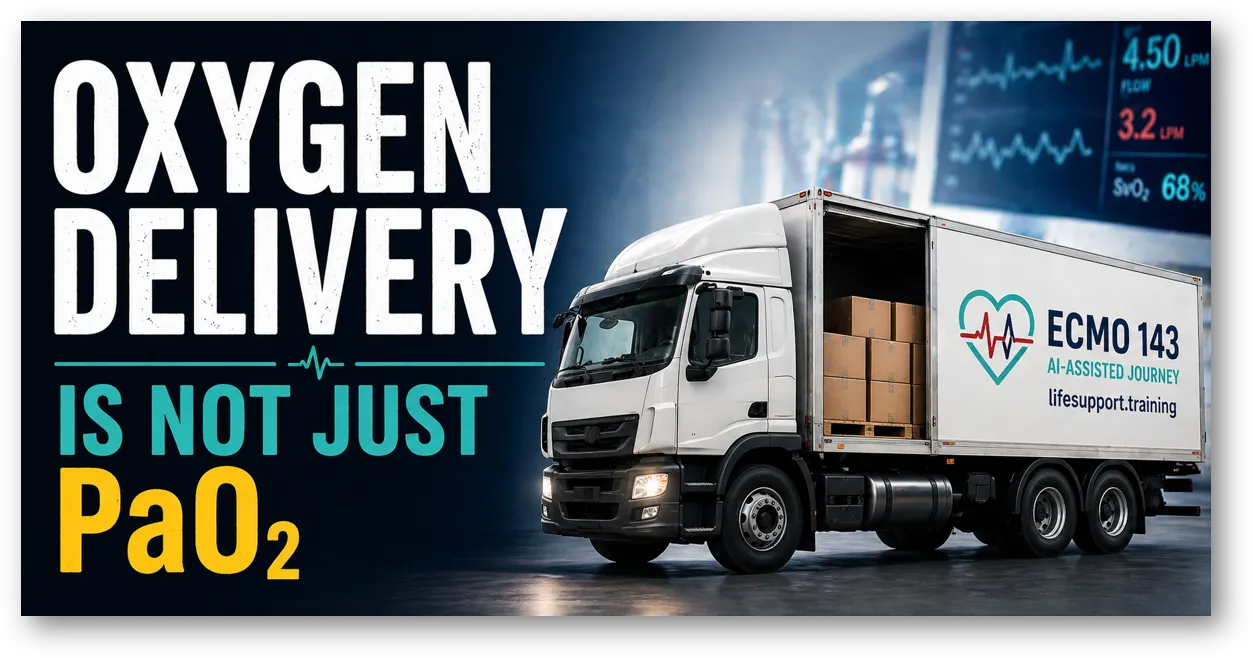
The Truck Analogy
When a patient isn’t improving, it’s easy to chase the PaO₂.
But oxygen delivery depends on three things.
Think of hemoglobin like a truck carrying oxygen to tissues.
The Three Levers
- Load the trucks → increase saturation (SaO₂)
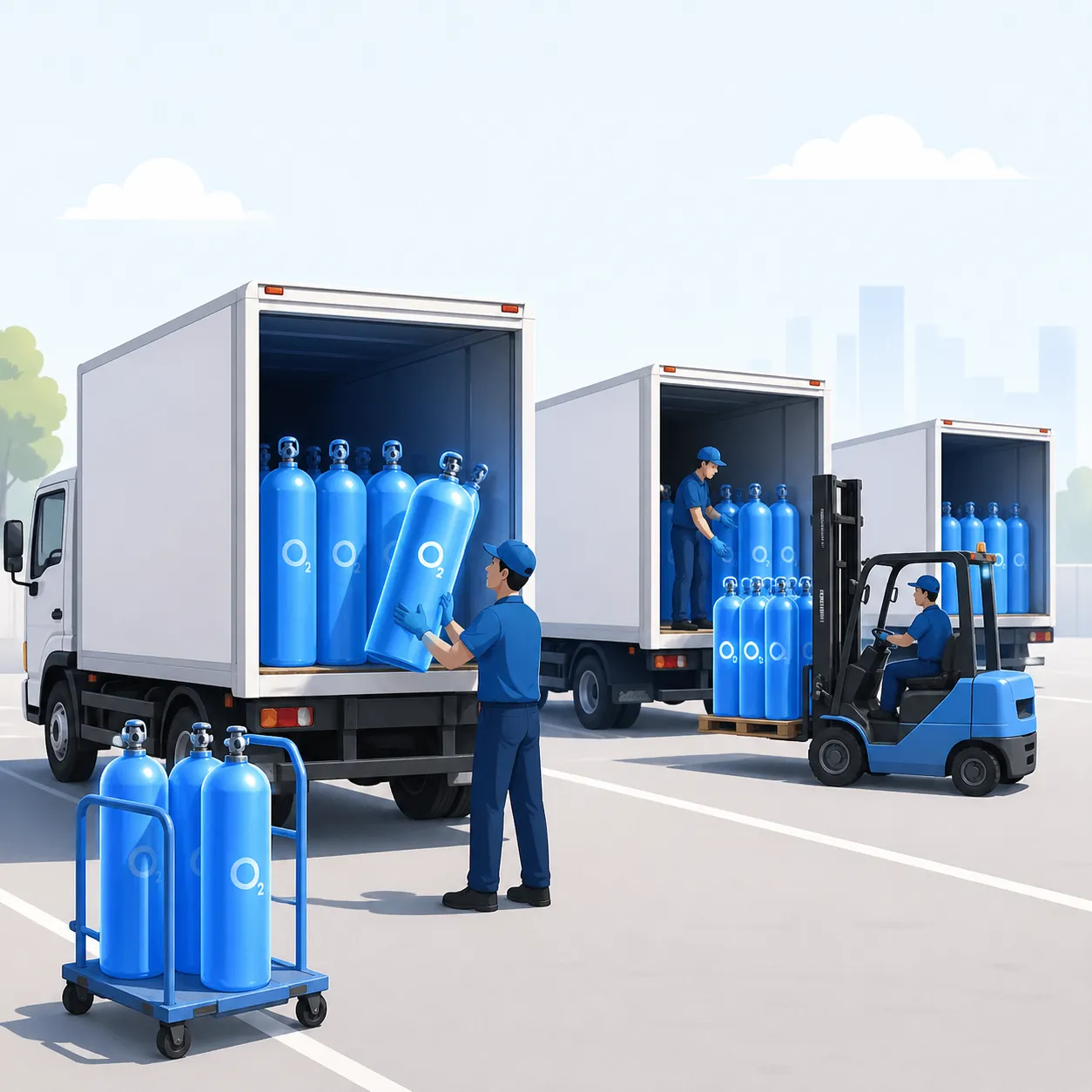
Load up the trucks = Increase FiO2
-
FiO₂ / FdO₂
-
Oxygenation
- Add more trucks → increase hemoglobin (Hgb)
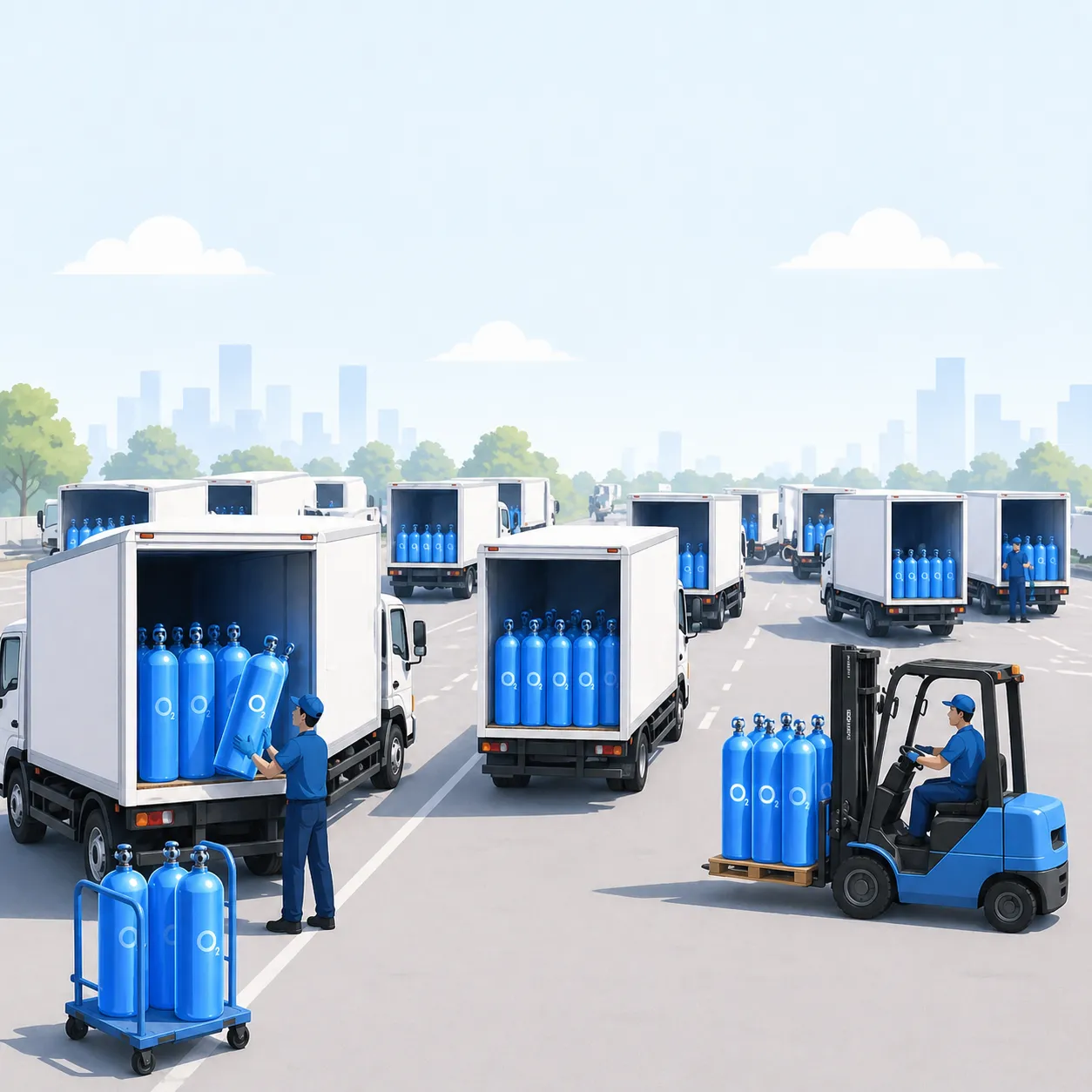
More trucks on the road = Transfuse, increase Hb
-
Transfusion
-
Oxygen-carrying capacity
- Move them faster → increase flow (Q)

Trucks driving faster = Increase ECMO Flow
-
ECMO flow (see note below)
-
Cardiac output
Quick Bedside Check
If oxygen delivery is low, ask:
-
Is saturation adequate?
-
Is hemoglobin adequate?
-
Is the flow adequate?
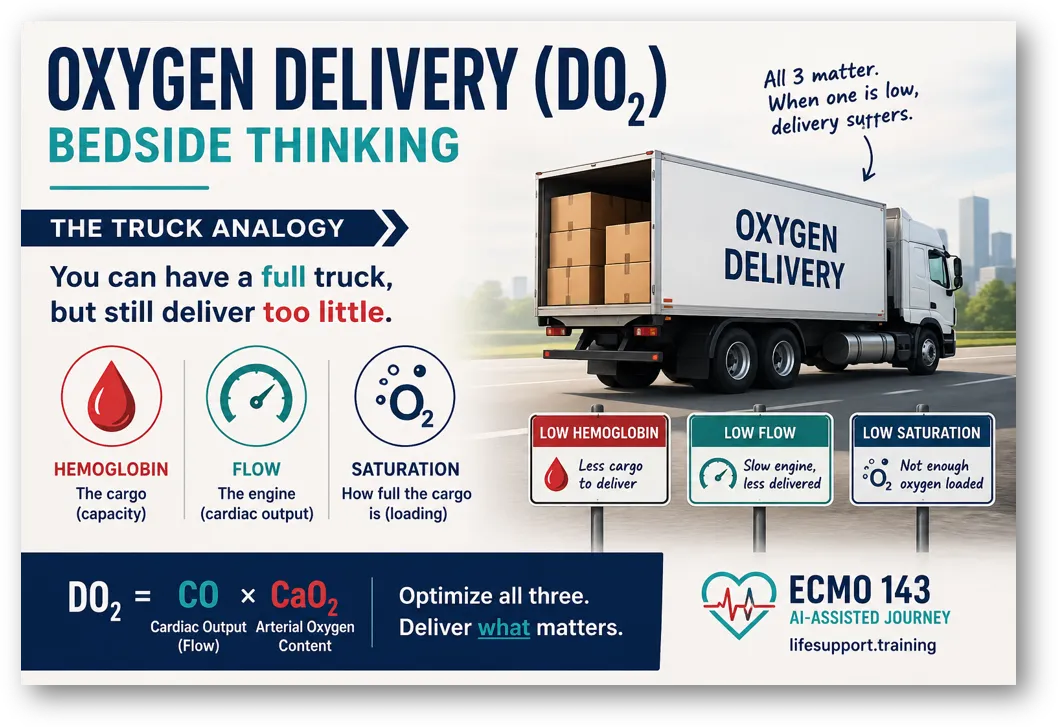
Fix the weak link
Look at the problem with an open mind and fix it.
Common Mistake
Low PaO₂ → increase FiO₂
Helps—but only to a point.
Beyond that:
-
Minimal gain in delivery
-
Rising PaO₂ may be harmful
Think: Hb + Flow + Saturation—not PaO₂ alone.
Important Note: VV vs VA ECMO Response
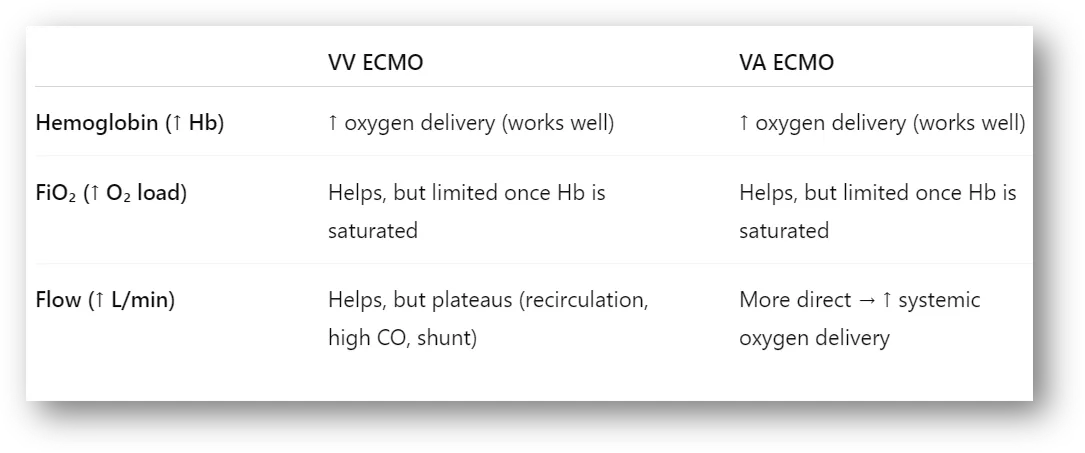
Takeaway
Saturation + Hemoglobin + Flow = Oxygen Delivery
Don’t chase PaO₂ in isolation.
Learn More
Subscribe to ecmo143.com to receive updates and read the ECMO 143: AI-Assisted Journey newsletter, along with the new ECMO Tools section.
You can also use AI ECMO Educator, a free Custom GPT designed to support ECMO and ECPR learning for ICU clinicians and trainees.
Educational content only. Follow your institutional protocols and clinical judgment.