What Is ECMO?
Key Points:
-
ECMO stands for extracorporeal membrane oxygenation.
-
It’s a temporary life support system used when the heart or lungs are failing.
-
ECMO gives time for the body to rest and recover or for other treatments to take effect.
-
It requires a highly skilled medical team and is used in critical care units.
What Is ECMO?
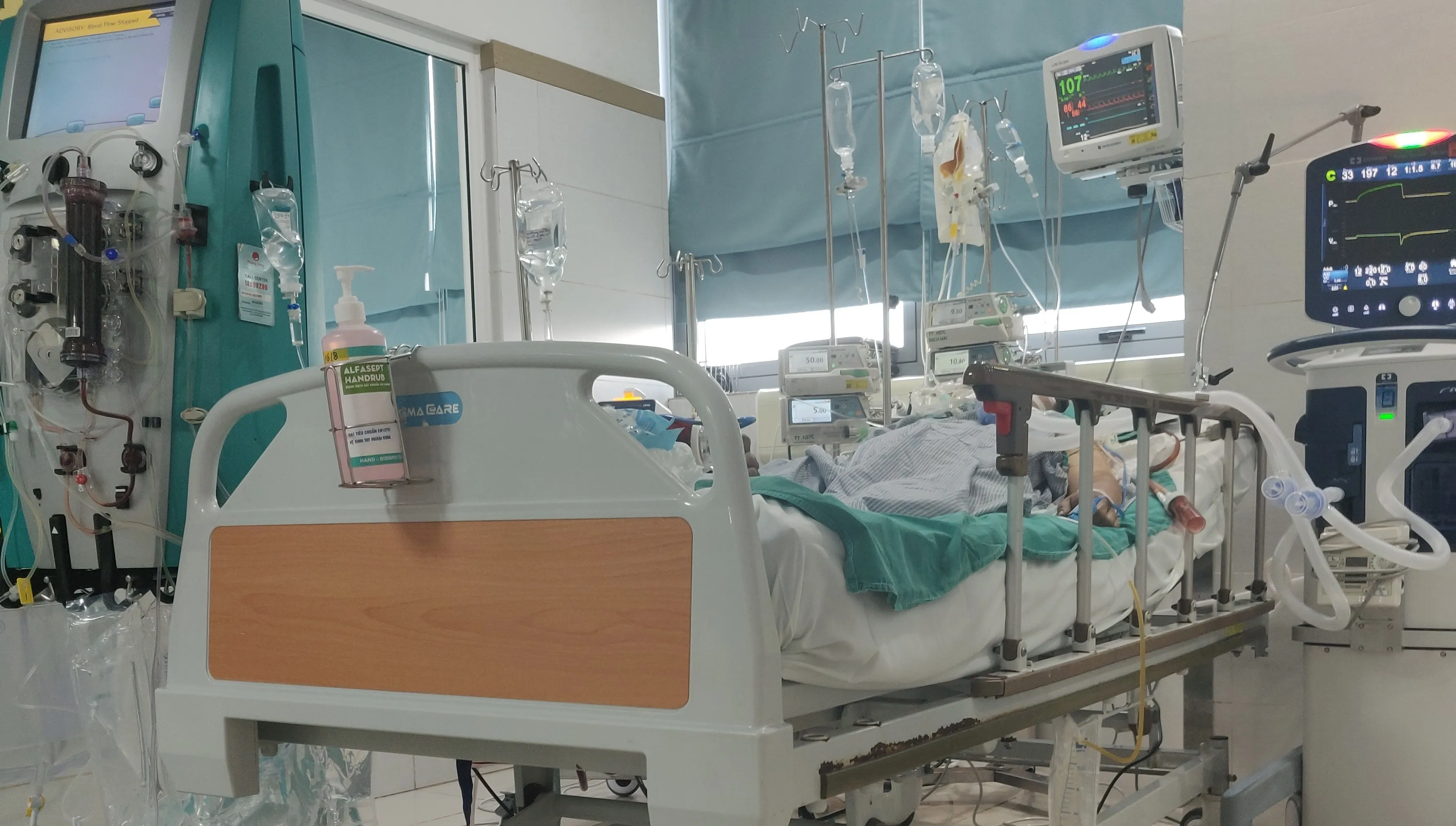
ECMO is a life-saving machine that takes over the work of the heart and/or lungs when they can’t do their job correctly. It removes blood, adds oxygen, removes carbon dioxide, and sends the blood back into the body. This process gives doctors time to treat the underlying condition without the body shutting down due to lack of oxygen.
Think of your heart and lungs as a power plant. If they stop working due to injury or illness, ECMO acts as a temporary backup system to keep the body running.

When Is ECMO Used?
ECMO is typically used in very sick patients when other treatments haven’t worked. Here are some examples showing the kinds of serious conditions where ECMO might help:
-
Severe pneumonia or lung injury where a ventilator isn’t enough.
-
Heart failure due to heart attack or surgery.
-
Cardiac arrest when CPR isn’t working.
-
Patients waiting for a heart or lung transplant.
-
After significant heart or lung surgery to help with recovery.
Doctors use ECMO only when there’s a reasonable chance that the patient’s condition could improve with time and support.
Does ECMO Cure the Problem?
No, ECMO doesn’t fix the root problem. It keeps the body functioning while doctors work on the actual issue—whether that means fighting infection, repairing damage, or preparing for a transplant. It’s like putting a car in neutral while the engine gets repaired.
How Does It Work?
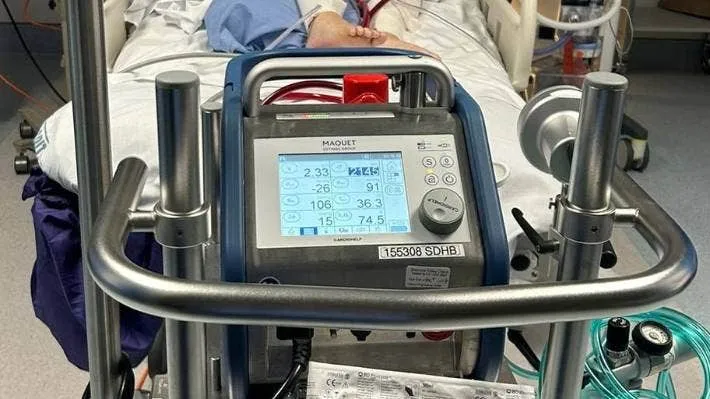
To connect a patient to ECMO, doctors insert large tubes (called cannulas) into major veins or arteries, usually in the neck or groin. Blood is taken out, pumped through an oxygenator—an artificial lung that works like your real one by adding oxygen and removing carbon dioxide—and returned to the body.
There are two main types:
-
Veno-venous (VV) ECMO: Supports the lungs.
-
Veno-arterial (VA) ECMO: Supports both the heart and lungs.
The type used depends on the patient’s condition. The setup can be tailored to their size, age, and medical needs.
What Are the Risks?
ECMO is complex and can lead to serious complications:
-
Bleeding: Blood thinners are used to prevent clots, increasing bleeding risk.
-
Infection: Inserting tubes increases the risk of infection.
-
Clots: Clots can still form despite precautions.
-
Organ issues: Including problems with blood flow to limbs or kidneys.
Doctors monitor patients very closely. The ICU team checks every detail—blood pressure, oxygen levels, and signs of complications—and constantly adjusts treatment to reduce risks and improve outcomes.
Who Decides to Use ECMO?
A team of doctors—including specialists in heart care, lung care, and intensive care—evaluates the situation. If they believe ECMO could help, they speak with the patient (if possible) or the family to explain the risks, benefits, and goals. Informed consent is part of this process.
What Should Families Expect?
If your loved one is on ECMO, here’s what you might see:
-
The patient is in the ICU and may be unconscious or sedated.
-
The ECMO machine is large and connected by thick tubes.
-
Treatment may last a few days to several weeks.
-
Progress may be slow, and outcomes can be uncertain.
The care team will provide regular updates and explain each step. You can support your loved one by staying involved, asking questions, and looking after your own well-being. Many hospitals have chaplains, social workers, and support services to help families through this experience.
Final Thought
ECMO is one of the most advanced forms of life support available today. While it’s not a guarantee of recovery, it can offer a fighting chance. If your loved one is on ECMO, it means the medical team is doing everything possible to support them through a very serious illness. Stay involved, ask questions, and don’t hesitate to reach out for both emotional and informational support—the team is there for you, too.