What score predicts survival after VA ECMO for cardiogenic shock patients?
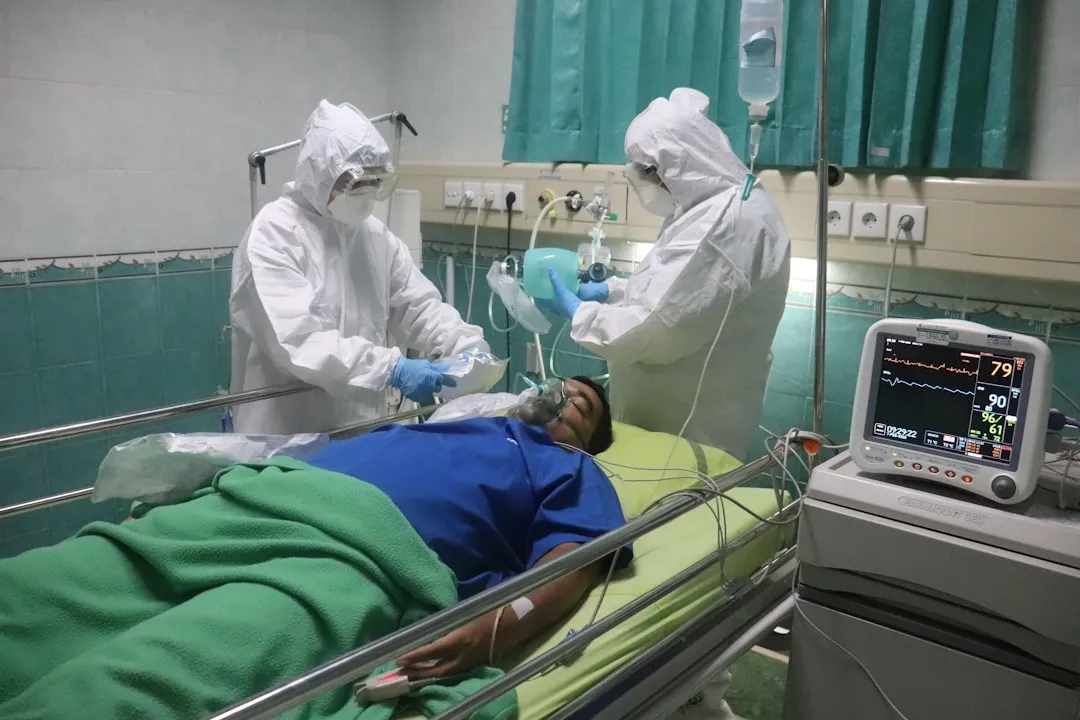
Photo by Mufid Majnun on Unsplash
The Survival After Veno-Arterial-ECMO (SAVE) score predicts survival in cardiogenic shock patients treated with ECMO. It uses 12 variables to categorize patients into five risk classes:
-
Acute cardiogenic shock diagnosis group
-
Age
-
Weight
-
Acute pre-ECMO organ failures
-
Chronic renal failure
-
Duration of intubation before ECMO
-
Peak inspiratory pressure
-
Pre-ECMO cardiac arrest
-
Diastolic blood pressure before ECMO
-
Pulse pressure before ECMO
-
HCO3 before ECMO
-
Lactate before ECMO
Does your institution use the SAVE score? Leave a comment.
Note: This article reflects my learning journey in ECMO and is intended for educational purposes only. It should not be used as a substitute for professional medical advice or guidance. Always consult with qualified healthcare professionals for clinical decisions and patient care.
Share and Subscribe. Join the ECMO 143 Learning Journey
Other Links:
Follow me on LinkedIn: Jonathan B. Jung, RRT-NPS
Follow me on X (Twitter) “ECMO 143-Stay Uptodate” List on X
Acknowledgments:
I developed three custom GPTs, “AI ECMO Expert,” “ECMO Specialist Handover Practice,” and “Micro Definitions (MD-GPT),” for specialized research. These tools draw primarily from the ELSO Redbook (6th Edition), the ELSO Specialist Training Manual (4th Edition), various research papers, and articles. Additional research was supported by GPT-4o/o1, Claude 3.5 Sonnet/Opus, and Perplexity. Editing was performed with Grammarly. A.I. images and charts were created using Leonardo AI, DALL-E3 AI Image Generator, Microsoft Designer, and Adobe Express. Content for all articles sourced from Extracorporeal Life Support: The ELSO Red Book, 6th Edition, and ECMO Specialist Training Manual, 4th Edition.